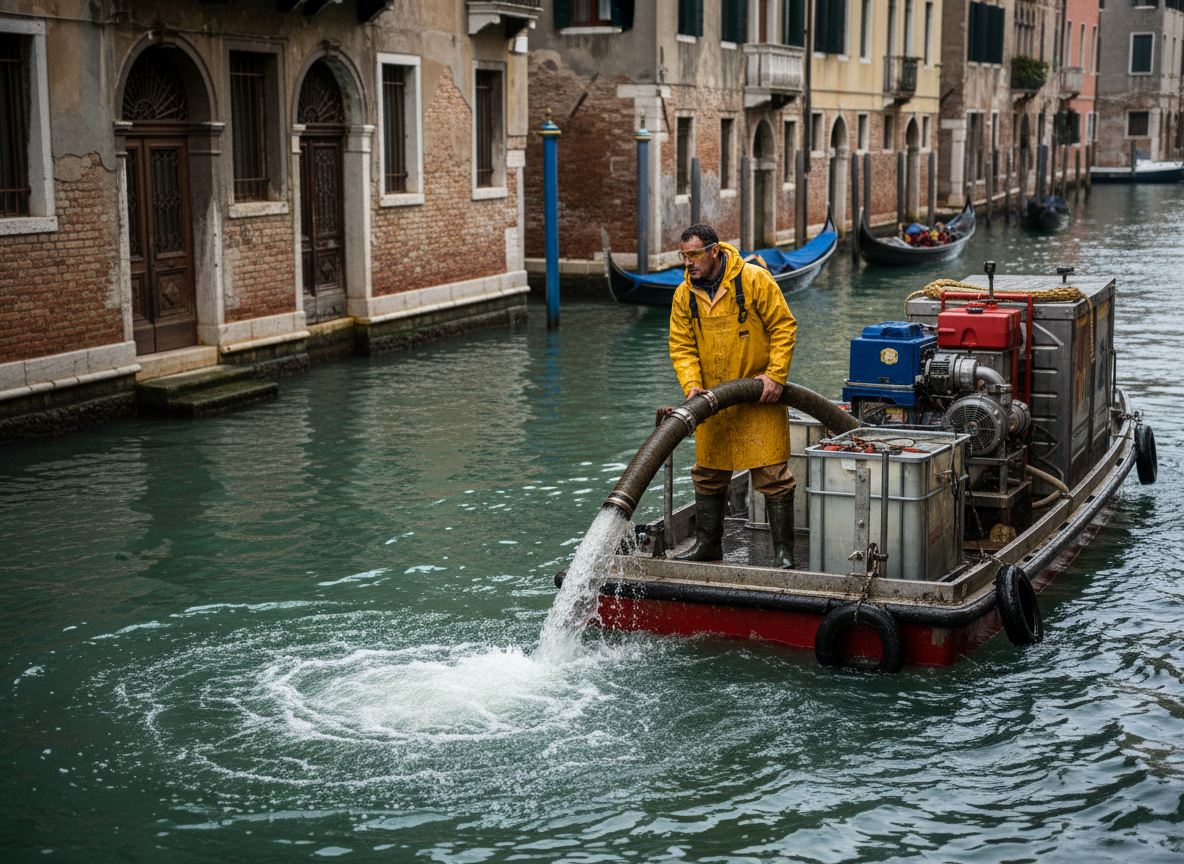
Water extraction in Venice homes starts with identifying how water entered and where it traveled through the structure. Many properties near the Venice Canals and in Oakwood sit on older foundations with crawlspaces that hold moisture long after visible water is gone. The mild Mediterranean climate keeps humidity high year-round, so even small amounts of residual water can lead to hidden mold growth inside walls and under flooring. Technicians use portable extractors and moisture meters to pull water from carpet pads, hardwood, and drywall before it migrates to neighboring units common in the dense Rose Avenue and Abbot Kinney blocks.
Edge cases appear often in 1920s bungalows where original plumbing runs under concrete slabs. When a line fails, water follows the path of least resistance toward the ocean side of the lot, soaking soil and creating hydrostatic pressure against foundation walls. Extraction crews must work around tight alley access in the Canals neighborhood and account for tidal influence on groundwater levels. Industrial vacuums rated for high volume are required because standard shop vacs cannot handle the volume or the fine sand that infiltrates many Venice basements during heavy winter rains.
Los Angeles County building codes require proper disposal of extracted water when it contains contaminants from nearby storm drains or canal overflow. Technicians document moisture readings at multiple depths before and after extraction to satisfy insurance adjusters familiar with coastal claims. Failure to reach below 15 percent moisture content in wood framing often results in callbacks once the dry Santa Ana winds arrive and draw remaining dampness to the surface. Crews also check adjacent properties in Marina del Rey and Culver City because water does not respect lot lines in the flat coastal terrain.
Technician insight
In Venice the thing that catches most people out with water extraction is how the sandy soil around the Canals lets water travel sideways under 1920s bungalows along Rose Avenue. Homeowners often stop once they see the floor dry, but the water has already wicked into the joists and will reappear once the next marine layer rolls in.
Crawlspace water after winter rain near the Canals
Problem: Heavy rain pushed water into a single-story home two blocks from the Venice Canals. What we found: Water had entered the crawlspace through settled foundation vents and traveled under original oak flooring. What we did: Set up portable extractors through access panels and pulled standing water plus saturated insulation. Outcome: Moisture readings dropped below threshold within 48 hours and prevented mold in the humid coastal air.
How it works
- 1
Initial Assessment
Technicians arrive within hours, map water migration through the structure, and identify hidden pockets in crawlspaces common to Venice bungalows.
- 2
Standing Water Removal
Industrial pumps and extractors pull bulk water from floors and low areas while protecting original hardwood found in Abbot Kinney and Oakwood homes.
- 3
Moisture Tracking
Infrared cameras and pin meters locate residual dampness behind walls and under slabs before humidity in the coastal air allows mold to start.
- 4
Final Verification
Post-extraction readings confirm moisture levels meet drying standards, with documentation provided for insurance claims on Los Angeles County properties.
Pricing
Upfront estimates after inspection based on water volume, affected square footage, and access challenges in older Venice buildings.